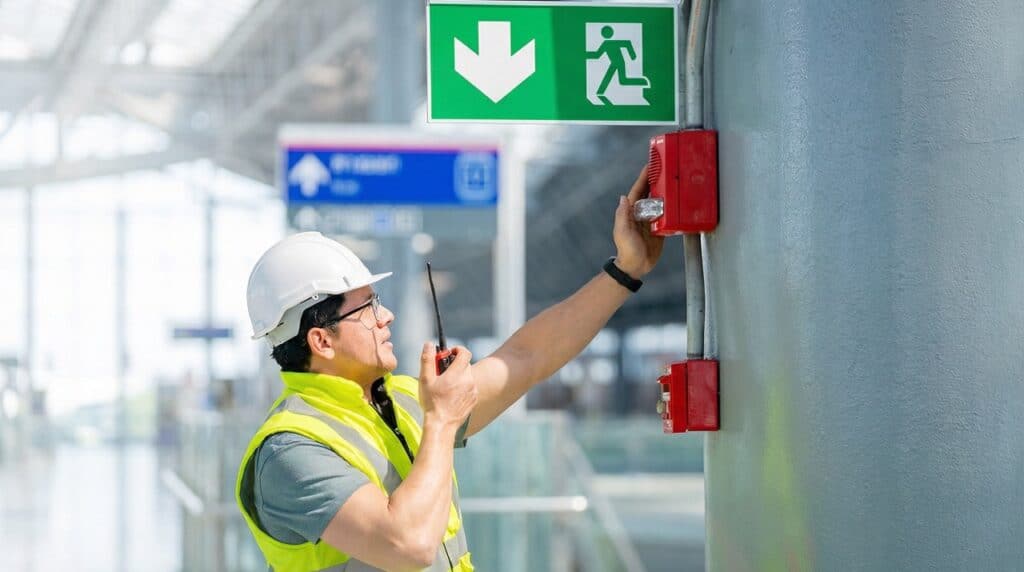
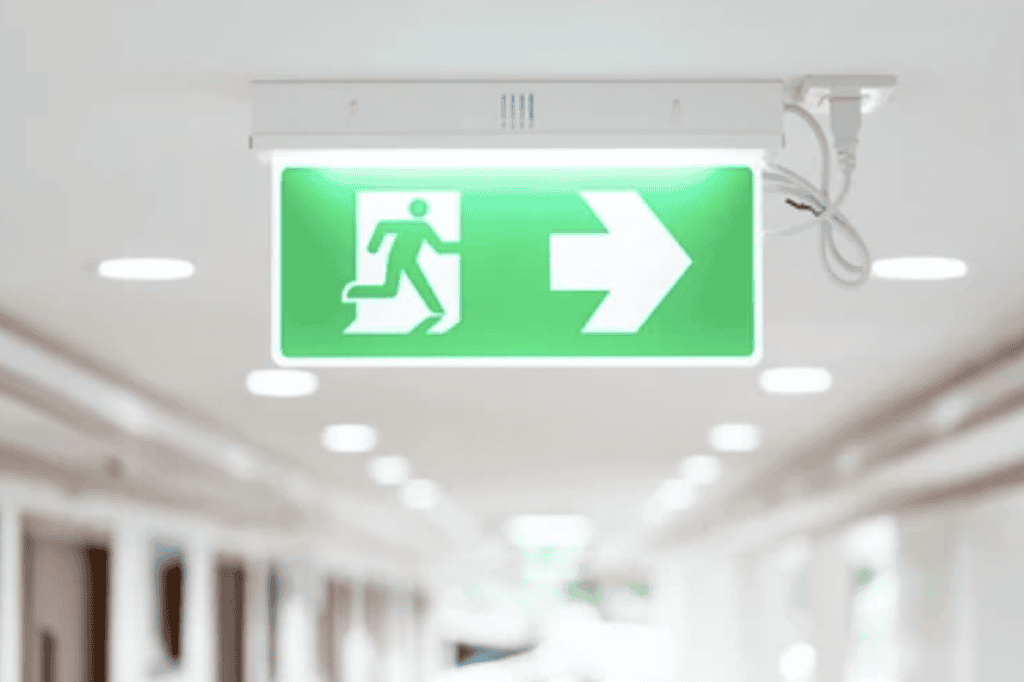
Emergency lighting sits quietly in the background until the moment it becomes the only thing that matters. When power fails or visibility drops, it guides every person toward safety even when conditions shift fast.
Facilities that overlook emergency lighting create avoidable risk because systems that fail during real events remove the most reliable layer of evacuation support.
Why emergency lighting carries so much weight
Emergency lighting serves one purpose. It supports safe movement when visibility disappears. This responsibility makes it a core life safety element that shapes both evacuation performance and regulatory compliance.
Facility teams often invest heavily in suppression and alarm systems, but emergency lighting plays an equal role in overall readiness. Without light, people move slower and instructions become harder to follow. Fire marshals, insurers and risk managers all view emergency lighting as a primary indicator of operational discipline.
Understanding what inspectors look for
Emergency lighting inspections focus on reliability under stress. The system must activate automatically when normal power drops and must provide a minimum required level of illumination. Inspectors want proof that the system will perform consistently.
During an inspection, an AHJ often checks:
- Battery condition
- Fixture placement
- Lighting levels along paths of travel
- Documentation of testing
- Performance duration under load
These checks verify both equipment health and facility commitment.
Common failure points that put people at risk
Emergency lighting systems fail in predictable ways. Batteries degrade. Fixtures shift position. Wiring ages. These failures often remain invisible until a real emergency exposes them.
Common risks include:
- Dead or weak batteries
- Fixtures blocked by storage
- Poor lighting coverage
- Damaged lenses
- Lights disconnected during renovations
Facilities that address these proactively avoid the sudden losses that appear during real crises.
Why batteries create the highest risk
Batteries support emergency lighting when power fails. Their condition determines whether lights stay steady or fade quickly. Weak batteries remain the most common reason emergency lighting fails.
Facilities that test batteries regularly reduce this risk significantly. Testing must verify both charge level and ability to support required run time. Replacement schedules should match manufacturer guidance so performance stays predictable.
Placement matters as much as performance
Lights must illuminate the right spaces. Even a system that functions perfectly can fail if fixtures do not support evacuation routes. Placement shapes visibility during high-stress conditions and influences how quickly people can exit.
Facilities should review placement in hallways, stairwells, exit corridors and mechanical spaces. This review should also account for changes in layout over time. New walls, temporary storage or construction can block important angles of light.
Routine testing keeps the system alive
Testing ensures that emergency lighting systems remain ready. Regular tests reveal early failures and give teams enough time to replace batteries or fixtures.
Effective testing programs rely on three core practices:
- Monthly functional tests
- Annual load tests
- Accurate documentation
These steps show both regulators and internal stakeholders that the system remains ready for real emergencies.
Documentation that supports risk management
Documentation plays a central role in emergency lighting compliance. Inspectors expect records that show consistent testing, prompt repairs and clear accountability.
Strong documentation includes:
- Dates of functional tests
- Dates of load tests
- Battery replacements
- Fixture repairs
- Notes on any deficiencies
When documentation stays current, inspections move faster and risk managers gain confidence in system reliability.
The hidden impact on business continuity
Emergency lighting supports more than evacuation. It shapes how teams move during partial shutdowns, power transitions or equipment failures. In high-risk spaces such as mechanical rooms or data centers, emergency lighting protects both people and assets.
When power drops suddenly, emergency lighting becomes the only visual guide for safe shutdown procedures. Facilities with strong emergency lighting reduce the chance of secondary damage caused by rushed decisions or poor visibility.
Integration with other life safety systems
Emergency lighting does not operate in isolation. It connects with exit signage, alarms and fire protection infrastructure. When integrated well, these systems support one another and create a clear path for every occupant.
Facilities should verify that each system activates together and maintains consistent coverage. This integration helps teams move with confidence even during complex incidents.
How renovations undermine good systems
Renovations often alter emergency lighting performance. Walls shift, ceilings change and new equipment enters the space. These adjustments can disrupt the placement and effectiveness of fixtures even when the system appears compliant on paper.
Renovation teams should include emergency lighting review as a required step in every scope. A small change in layout can create a blind spot that slows an evacuation.
Signs your emergency lighting needs an update
A facility should review its system when signs of aging or operational change appear. These indicators often reveal deeper issues that require immediate attention.
Signs include:
- Frequent bulb or battery failures
- Reports of dark areas during drills
- Difficulty accessing fixtures
- Inconsistent test results
- Poor visibility in stairwells
Each of these signals identifies a point where performance may fail during a real emergency.
Why this system deserves daily attention
Emergency lighting rarely receives the same focus as sprinklers or alarms, yet it holds equal responsibility for keeping people safe. When leaders understand its role, they elevate the entire safety program. Strong emergency lighting reflects strong operational culture.
Facilities that maintain these systems carefully create safer environments and smoother inspections. They also protect their teams from the confusion that follows any sudden loss of light. The systems that matter most during emergencies are often the quietest during normal operations, which makes daily attention essential for long-term reliability.
—————
Red Phase is a national fire and life safety partner specializing in enterprise-level compliance. We unify inspections, repairs and reporting into one managed program so organizations can reduce risk, control costs and operate with total visibility.